




Black Law Enforcement Group Becomes First to Endorse Crypto Clarity Act
NOBLE says the Digital Asset Market CLARITY Act strengthens crime-fighting tools, breaking with sheriffs and police chiefs who oppose the bill.

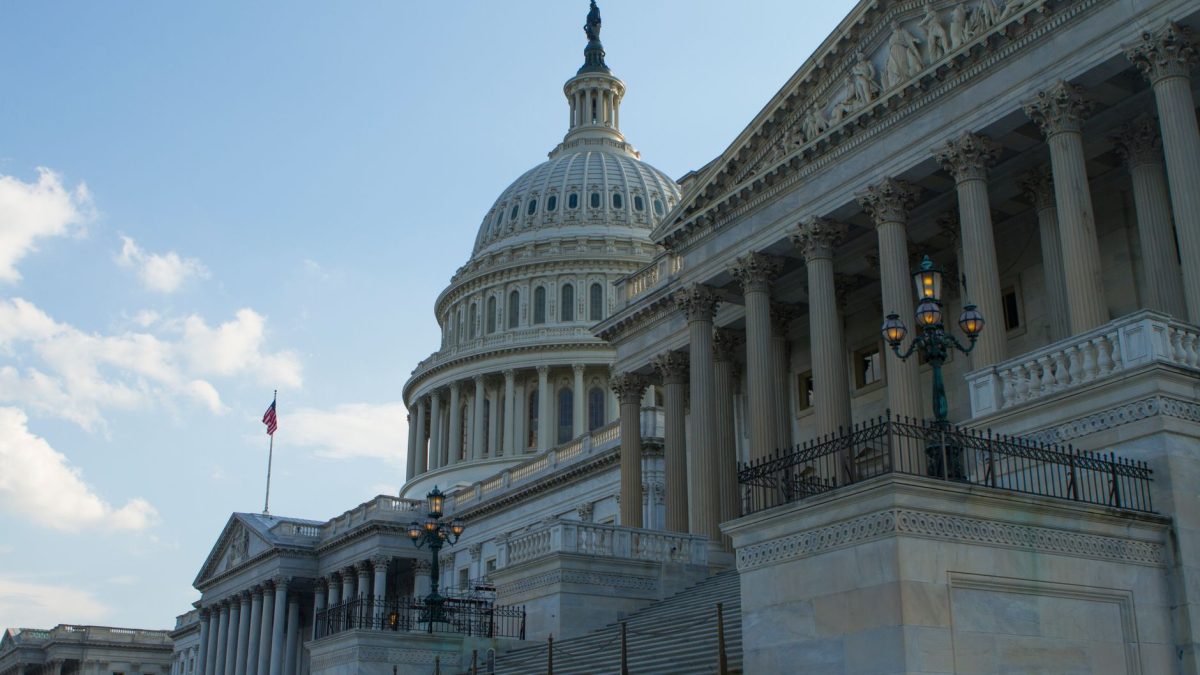
The National Organization of Black Law Enforcement Executives (NOBLE) has become the first major US law enforcement group to publicly back crypto-specific legislation, throwing its support behind the Digital Asset Market CLARITY Act. The endorsement pushes back against a long-standing argument used by regulation skeptics that digital assets primarily help criminals evade the law, according to Crypto Briefing.
In a letter to Senate leaders dated around July 1, NOBLE said clearer crypto rules would actually strengthen law enforcement’s ability to fight crime rather than weaken it. The letter arrives as Senators Cynthia Lummis and Tim Scott work to bring the bill to a full Senate floor vote before the August recess.
What the bill would change
The CLARITY Act has already cleared the House with bipartisan support and passed the Senate Banking Committee, putting it further along in the legislative process than most crypto-related bills have historically managed, Crypto Briefing reports.
The legislation’s central goal is to resolve long-running confusion over which federal agency has jurisdiction over which type of digital asset. It aims to draw clearer lines around asset classification and oversight so that both market participants and regulators are working from the same rulebook.
The bill also folds in provisions from the Blockchain Regulatory Certainty Act (BRCA), which would shield non-custodial blockchain developers from being classified as financial institutions. Under that framework, developers who write code for decentralized protocols but never take custody of user funds would not need a money transmitter license.
On the enforcement side, the bill is designed to give investigators better tools for combating money laundering and unlicensed money transmission, while preserving existing criminal enforcement authority. NOBLE President Reneé Hall highlighted that balance in her endorsement, stating that the act “presents critical capabilities for law enforcement while maintaining existing criminal enforcement powers.”
A divided law enforcement community
NOBLE’s position stands in contrast to other law enforcement organizations, including the National Sheriffs’ Association and the International Association of Chiefs of Police, both of which have opposed the CLARITY Act over concerns that clearer crypto rules could open new gaps for criminal activity, according to Crypto Briefing.
The timing of NOBLE’s letter appears deliberate. With Lummis and Scott pushing for a vote in early July, the endorsement gives political cover to senators who might otherwise be wary of supporting legislation branded as a “crypto” bill.
Read more: Sheriffs Group Drops Opposition to CLARITY Act, Boosting Its Senate Odds
Why it matters for crypto markets
The BRCA protections for non-custodial developers could be significant for the builder side of the crypto industry. DeFi teams have operated for years under legal uncertainty, worried that writing open-source protocol code might expose them to money-transmitter obligations meant for custodial financial firms.
For traders and investors tracking the regulatory landscape, the key date to watch is early July, when the Senate vote is expected. A successful vote would mark one of the most significant legislative milestones yet for US crypto oversight, following the bill’s earlier passage in the House and its clearance from the Senate Banking Committee.



Leave a Reply