










UBS Hikes DRAM, NAND Price Forecasts as AI Boom Squeezes Crypto Mining Costs
UBS now sees DRAM prices jumping 32% next quarter as AI demand strains chip supply, a shift that could raise costs for crypto miners and node operators.

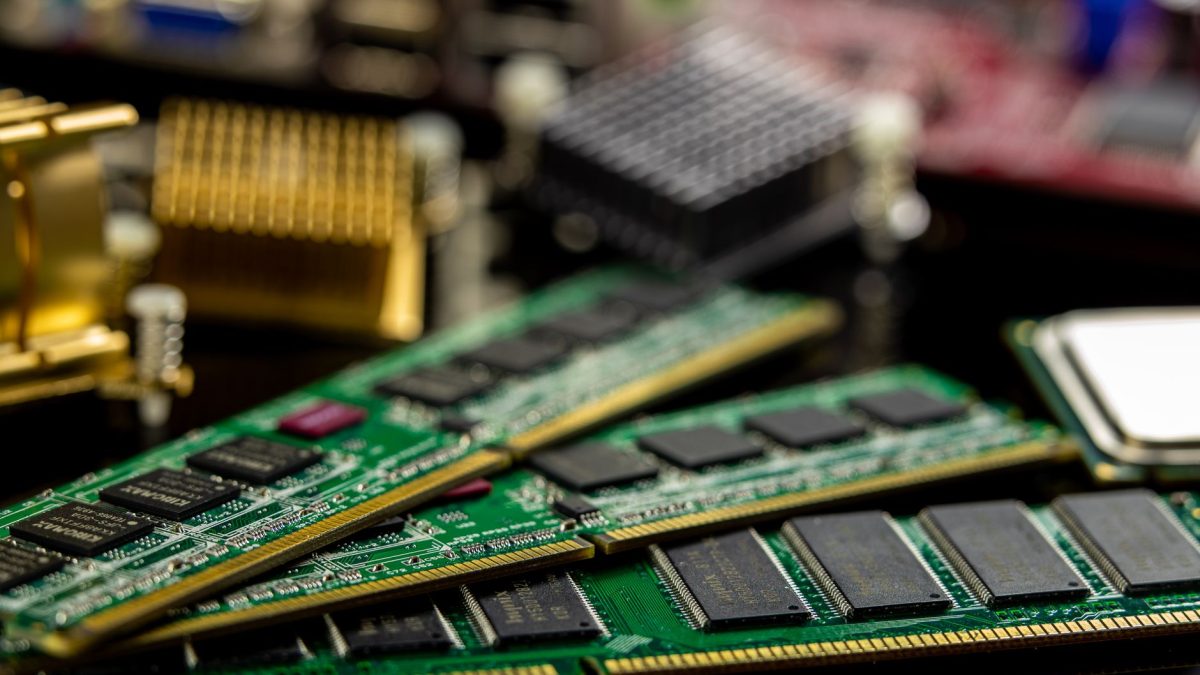
UBS has sharply raised its price forecasts for DRAM and NAND memory chips, warning that surging artificial intelligence demand is straining global semiconductor supply chains in ways that could ripple into crypto mining and blockchain infrastructure costs. The investment bank now expects DDR prices to climb 32% quarter-over-quarter in the third quarter of 2026 and a further 18% in the fourth quarter, according to Crypto Briefing. Those figures are nearly double UBS’s earlier estimates of 17% and 12%, respectively.
On the NAND side, UBS lifted its projections to 30% quarter-over-quarter growth in Q3 2026 and 12% in Q4 2026, the report said.
AI is soaking up memory supply
The rapid buildout of hyperscale data centers and AI server clusters has forced chipmakers to redirect wafer capacity away from conventional DRAM and NAND toward high-bandwidth memory, the specialized chips used in AI accelerators and training hardware, according to the report. That reallocation is tightening supply across the wider memory market.
UBS projects DRAM demand will rise 36.2% in 2027 while supply grows just 19.3% over the same period, producing what the bank calls a record 17-percentage-point demand-supply gap. UBS’s analysis suggests DRAM shortage conditions could persist through at least the second quarter of 2028 under various scenarios, Crypto Briefing reported.
A trillion-dollar memory market
UBS also revised its broader memory industry revenue outlook sharply higher, now estimating memory revenues will reach $992 billion in 2026 before soaring to $1.763 trillion in 2027. The upgraded forecasts have translated into higher price targets for major memory producers such as Micron, which UBS views as a direct beneficiary of sustained pricing power in both the DRAM and NAND markets.
Implications for crypto miners and node operators
AI infrastructure and crypto mining compete for overlapping hardware supply chains, since both depend on large-scale data center buildouts and the same pool of semiconductor manufacturing capacity, Crypto Briefing noted. As memory prices climb, the cost of building and maintaining the servers that support blockchain validation and AI training alike is likely to rise in tandem.
For crypto miners specifically, higher memory prices could increase the cost of building or upgrading mining rigs. NAND pricing also affects storage expenses for blockchain nodes and validators, an issue that is particularly relevant for networks with large state sizes, while rising DRAM costs push up server expenses more broadly across the industry.
According to the report, investors tracking this trend should watch the trajectory of the demand-supply gap closely. If UBS’s projected 17-percentage-point spread materializes in 2027, it would mark one of the tightest memory markets in recent history, with knock-on effects for anyone building or scaling crypto-related infrastructure.
Read more: Tokenized Real-World Assets Hit $60B, But Liquidity Gaps Persist, Experts Say



Leave a Reply